
De-influencing: Is this the end of influencer marketing?
- Feb 23, 2023
- 3 min read
You may have heard of the term "de-influencing" since early January and that is because this trend has been going absolutely VIRAL on TikTok.
The News Movement goes into "What is it, and… is it really what it says it is?" ↓
There has been a lot of people leaning towards de-influencing and a backlash against certain types of influencer marketing and although there are lots of pro's when it comes to influencing such as:
- Increased brand awareness:
Influencer marketing can help increase brand visibility and awareness by leveraging the existing audience of influencers.
- Targeted reach:
Influencers often have a specific niche or audience, which means that influencer marketing can be a more targeted approach to reaching specific segments of the population.
- Authenticity and credibility:
Influencers often have a strong relationship of trust and credibility with their followers, which can be leveraged by brands to promote their products or services in an authentic and genuine way.
- Cost-effective:
Compared to traditional advertising, influencer marketing can be more cost-effective, especially for smaller brands or startups.
There are also a lot of cons, too...
- Lack of control:
Brands have less control over the content that influencers create, which can sometimes result in content that is not aligned with the brand's values or messaging.
- Limited audience:
Depending on the influencer, the reach of the campaign may be limited to the influencer's existing audience, which may not be large enough or diverse enough to achieve the desired marketing goals.
- Potential for fake followers:
There is a risk of working with influencers who have fake followers or engagement, which can result in wasted marketing dollars and ineffective campaigns.
- Short-term impact:
Influencer marketing campaigns may have a short-term impact on sales or brand awareness, and may not be as effective at building long-term brand loyalty.
Not to mention, if the influencer ends up in controversy or is "cancelled" and they are the face of a certain brand, this not only looks bad on the influencer but also the brand that is working with them. The Jaclyn Hill + Morphe situation is a very good example of that!
-
While influencer marketing can be an effective marketing strategy, it's important for brands to carefully consider the potential benefits and drawbacks before investing in influencer partnerships.
So, whilst we are on the topic of carefully considering who to work with when it comes to influencer marketing, let's not be reminded of the infamous "Kendall Jenner Ends Police Brutality with a Pepsi" ad and let me tell you right now - Black Twitter did not disappoint. 👏 please see the amazing memes below.





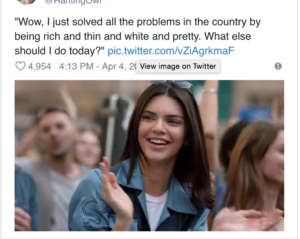
*facepalm*
I mean, it's not the first time celebs have caused havoc with brands and caused an uproar on social media. Another example is Kanye West x Adidas.
-
There has also been a lot of concerns over being authentic, truthful and trust when it comes to influencers recommending certain products online.
Most recently, popular TikTok creator known for her beauty-based videos was under fire for what is known now as "MascaraGate", wearing false lashes whilst promoting L’Oréal mascara. This has led to thousands of fans and people around the world questioning the authenticity of influencers recommending products online. The video below from Tea Spill on YouTube is a great breakdown into MascaraGate and what went down:
So, does this mean that this is the end of influencer marketing?
In a very short answer - No.
It is unlikely that this will spell the end of influencer marketing altogether. Influencer marketing can still be an effective way for brands to connect with their target audiences, and many consumers continue to be influenced by the recommendations and endorsements of their favourite influencers.
However, the trend towards de-influencing does suggest that brands and influencers need to be more mindful of how they approach influencer marketing. Consumers are becoming increasingly savvy and skeptical, and they are more likely to reject influencer content that feels inauthentic, overly promotional, or out of touch with their values.
To remain effective, influencer marketing will need to evolve to meet these changing consumer expectations. This may mean moving away from one-off paid partnerships and towards more long-term collaborations between brands and influencers, as well as greater transparency and authenticity in influencer content.
Overall, while the future of influencer marketing may look different than it has in the past, it is unlikely that it will disappear altogether.
-
Sources:
https://www.buzzfeed.com/ajanibazile/celebs-dropped-by-brands

